Tarsus Toner
Powder Metallurgy

Metal Injection Molding At A Higher Level

At Tarsus Toner Dolum we specialize in Metal Injection Molding (MIM). We transform metal powder into complex, high-quality precision components via advanced sintering technology – the efficient alternative to traditional machining.

Keywords:

Metal Powder (Toner) Injection Molding Sintering Precision Components Gear-Silver
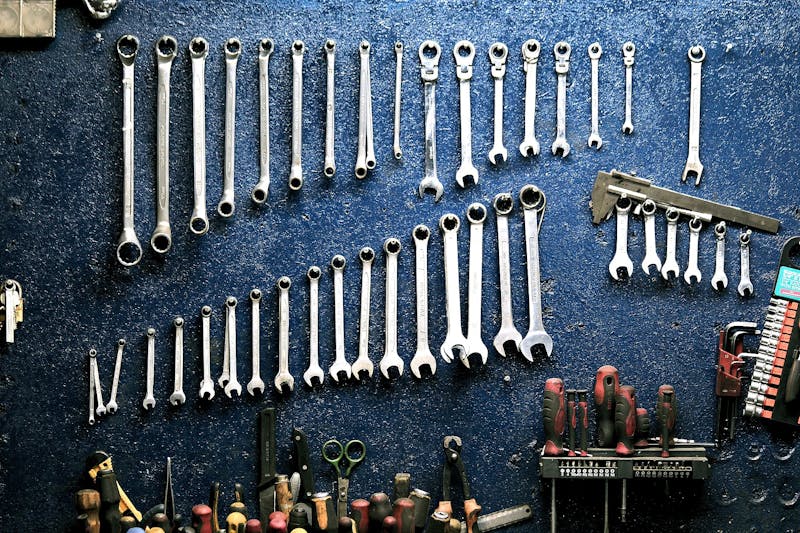
Metal workshop with precision tools
Close-up of metal powder
Sintering Oven Process

Why choose our MIM expertise?

Tarsus Toner Dolum delivers complex, high-quality components via Metal Injection Molding. Discover the benefits of our powder metallurgy.

1

Complex Shapes, One Process

We injection mold metal powder into the most intricate geometries. No more expensive post-processing, as with traditional machining.

2

Excellent Material Properties

Our sintering technique ensures dense, strong components with a fine microstructure and excellent mechanical performance.

3

High Precision & Repeatability

Perfect for series production. Every component is identical, with tight tolerances and an excellent surface finish, batch after batch.

4

Material Freedom & Alloys

Working with diverse metal powders (stainless steel, tool steel) and ceramics, for optimal performance per application.

5

Cost-Effective for Series

Metal injection molding reduces waste and machining steps. Ideal for medium to large series, at lower cost per piece.

6

From Design to Final Product

We guide the entire process: design advice for MIM, prototyping, production, and quality control.

Why Choose Tarsus Toner Dolum?

We specialize in Metal Injection Molding (MIM) and utilize powder metallurgy for high-quality, complex components. Discover the benefits of our sintering technique.

1

Complex Precision Shapes

Through metal injection molding (MIM), we produce parts with intricate geometries that are difficult or impossible to machine. Ideal for small, detailed components.

2

Material Efficiency

Our powder metallurgy process minimizes material loss. Almost all metal powder ('toner') is used, which saves costs and is more sustainable.

3

Superior Sintering Quality

Advanced sintering oven technology ensures parts with excellent mechanical properties and high density, comparable to forged parts.

4

Cost-Effective Series

Perfect for medium to large series. Lower cost per piece compared to traditional machining, especially for complex shapes.

5

Broad Material Selection

Working with various metal powders, including stainless steel, tool steel, and special alloys, tailored to the application.

6

Fully Integrated Process

From design and injection molding to sintering and post-processing: we manage the entire chain under one roof for maximum control and quality.

Our MIM Advantages

Discover the core capabilities of our Metal Injection Molding (MIM) and powder metallurgy for high-quality, complex components.

01

Complex Design Freedom

Injection molding of metal powder and binder enables extremely complex, near-net-shape geometries that cannot be achieved through machining.

  • No design limitations
  • Integration of multiple functions
02

Excellent Material Properties

The sintering process delivers dense, high-strength parts with a fine microstructure and excellent mechanical performance.

  • High density & strength
  • Superior wear resistance
03

Cost-Effective Series Production

Ideal for medium to large series. Minimizes material waste and post-processing, significantly lowering the cost per part.

  • Low material loss
  • No expensive finishing operations
04

High Precision & Repeatability

Delivers parts with tight tolerances and excellent dimensional stability, batch after batch.

  • Small tolerances possible
  • Consistent quality
05

Broad Material Range

Work with various metal powders (stainless steel, tool steel, special alloys) for optimal application solutions.

  • Stainless steel, low-alloy steel
  • Exotic alloys
06

Sustainable & Eco-Friendly

Powder metallurgy is a 'near-net-shape' process that achieves up to 97% material utilization, resulting in less waste and energy consumption.

  • Minimal waste (near-net-shape)
  • Lower energy consumption
🌐
NL EN